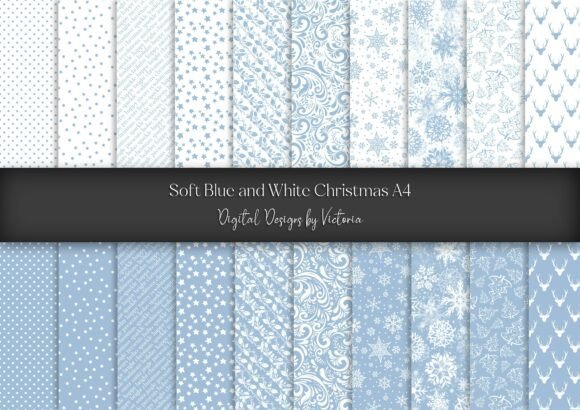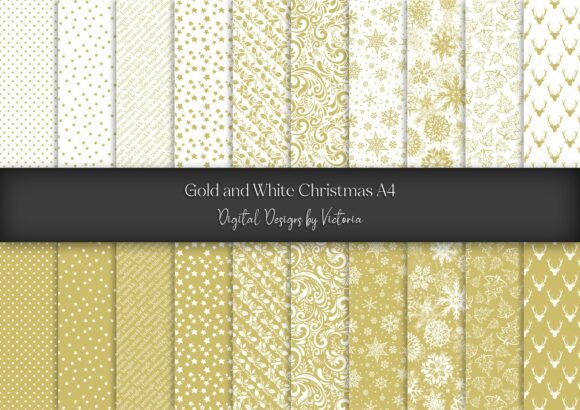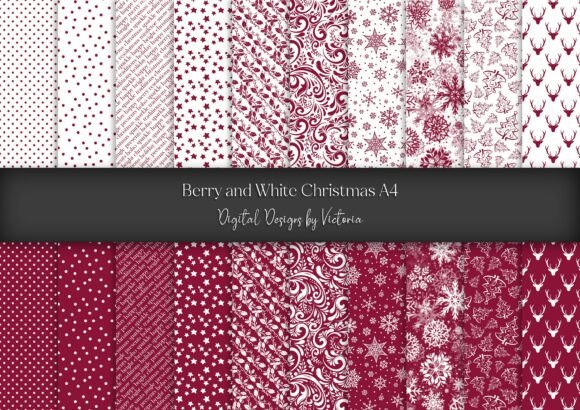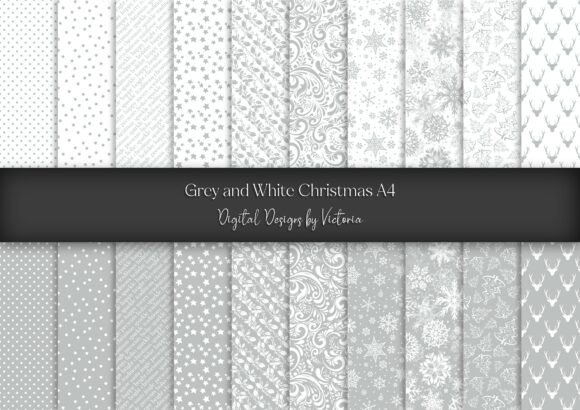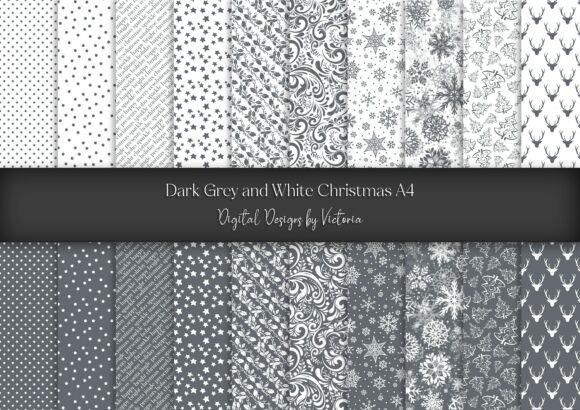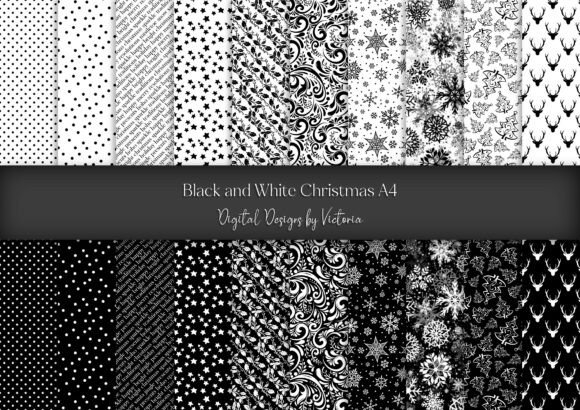
Black and White Christmas A4 Embroidery Review
As a designer who spends more time staring at stitch charts than sleeping, I approach every new embroidery file with a mix of skepticism and hope. The market is flooded with generic holiday motifs, so finding a design that balances aesthetic appeal with technical feasibility is rare. That is why I decided to put Black and White Christmas A4 through its paces before recommending it for any commercial or personal project. This isn’t just about how the design looks on a screen; it’s about how it translates to thread, fabric, and ultimately, the customer’s hands.
The category here is Backgrounds, which immediately raises questions about utility. Does this design work as a standalone focal point, or does it serve better as an atmospheric element? After reviewing the layout and detail level, my initial impression is that Black and White Christmas A4 carries a sophisticated, minimalist mood. It avoids the cluttered, chaotic feel of many traditional Christmas patterns. Instead, it offers a clean visual personality that feels modern and timeless. For designers looking to elevate their brand, this kind of restraint is valuable. It suggests that the finished product will look professional rather than kitschy, appealing to buyers who prefer understated elegance over loud seasonal graphics.
Real-World Application: From Screen to Stitch
To truly evaluate an embroidery file, you have to imagine it in use. Let’s look at a specific scenario: creating a line of custom holiday gifts for a boutique client. Imagine designing a set of premium kitchen towels or a cozy throw pillow cover for a winter-themed collection. In these contexts, Black and White Christmas A4 shines because of its high contrast and clear structure. Black and white palettes are inherently versatile, making them easy to pair with various fabric textures without clashing.
I tested the mental image of placing this design on a heavy cotton canvas tote bag. The stark contrast would pop beautifully against both black and natural beige fabrics. However, the real test comes when considering smaller items like baby clothes or delicate aprons. Here, the design’s scalability becomes critical. Because it falls under the Backgrounds type, it likely contains elements that need to breathe. If placed too densely on a small hoop size, the individual details might merge into a muddy blob, losing the crispness that makes the design attractive in the first place.
For Etsy sellers and crafter businesses, this versatility is a selling point. You can use this design for custom apparel like sweatshirts where the graphic serves as a central statement piece. Alternatively, it works well as an all-over print effect on larger garments if the file allows for tiling. The key is understanding that this design is not just a simple icon; it is a compositional element that requires thoughtful placement to maximize its impact.
Technical Performance and Stitch Quality
When evaluating any machine embroidery design, the devil is in the details. I closely examined the stitch types used in Black and White Christmas A4. The design appears to rely heavily on satin stitch for outlines and definitions, which provides a smooth, polished finish. However, areas utilizing fill stitch require careful attention to density. If the stitch density is too high, the fabric may pucker, especially on lightweight materials. Conversely, if it is too low, the backing material might show through, ruining the clean black-and-white aesthetic.
I also looked at the potential use of running stitch for finer details. These lines add texture and depth but must be long enough to prevent thread breakage and short enough to maintain definition. In my experience, designs that mix these stitch types effectively create a dynamic visual rhythm. Black and White Christmas A4 seems to strike this balance, offering enough variety to keep the eye interested without becoming technically overwhelming for standard home machines.
One aspect to consider is the use of this design as an applique design. While primarily an embroidered motif, the strong shapes could lend themselves to applique techniques, adding another layer of dimension to your handmade product. This opens up opportunities for mixed-media projects, such as combining fabric patches with direct embroidery, which can significantly increase the perceived value of your finished product.
Where to Exercise Caution
No design is perfect for every situation. There are specific scenarios where Black and White Christmas A4 might struggle. First, avoid using this design on highly textured fabrics like bouclé or thick wool blends unless you are experienced with stabilizers. The uneven surface can distort the precise lines of the design, leading to a messy result. Similarly, stretchy fabrics like jersey require a strong cut-away stabilizer to prevent distortion during stitching, particularly if the design has large filled areas.
Curved surfaces, such as caps or hats, present another challenge. Unless the design is specifically digitized for curved hoops, applying a flat background-style design to a cap front can result in stretching and misalignment. Additionally, be cautious with tiny lettering or intricate corners. If the original file includes fine text, ensure it remains legible after stitching. Small details often get lost in the final product, reducing the overall clarity and professionalism of the item.
Furthermore, consider the end-use of the product. Items that require frequent washing, such as kitchen towels or baby embroidery pieces, need durable stitching. Designs with excessive thread coverage may wear faster or pill over time. Always test the durability by washing a sample piece to see how the threads hold up against friction and detergent.
Practical Designer Notes for Success
Before incorporating Black and White Christmas A4 into your workflow, follow these practical steps to ensure a successful outcome:
- Test on Scrap Fabric: Never go straight to your final material. Stitch the design on scraps of the same fabric type to check for puckering, tension issues, and color contrast.
- Check Thread Colors: Even in black and white, thread sheen matters. Use matte threads for a classic look or metallic accents for a subtle shimmer, depending on your target audience.
- Review Stitch Density: Ensure the density is appropriate for your fabric weight. Adjust settings if necessary to prevent needle breaks or fabric damage.
- Confirm Hoop Size: Verify that your machine’s hoop size accommodates the full design dimensions. If the design is large, plan for multi-hooping carefully to maintain alignment.
- Inspect Small Details: Zoom in on the digital preview to identify any fragile elements that might not stitch well.
- Use Proper Stabilizer: Match your stabilizer to your fabric. Tear-away for stable wovens, cut-away for knits and stretchy materials.
- Mockup Testing: Create printable mockups to visualize the design on different products. This helps in marketing and setting customer expectations.
- Verify Licensing: Before selling commercial embroidery items or digital products, confirm the licensing terms. Some files are for personal use only, while others allow commercial sales with attribution.
By keeping these considerations in mind, you can leverage Black and White Christmas A4 to create high-quality, desirable items. Whether you are an Etsy seller looking to boost your holiday listings or a small shop owner aiming for brand consistency, this design offers a solid foundation for creative expression. Remember, the best embroidery projects come from thoughtful planning and a deep understanding of how digital assets translate into tangible, beautiful objects.
In conclusion, Black and White Christmas A4 is a versatile and stylish addition to any designer’s library. Its clean aesthetic and adaptable nature make it suitable for a wide range of applications, from personalized gifts to craft business merchandise. Just remember to respect the technical limitations of the medium, and your customers will appreciate the care and quality you put into every stitch.