Reviewing Christmas Plaid Seamless Patterns for Seasonal Sales
As a digital product creator who has spent years optimizing listings on Etsy and managing print-on-demand stores, I know that the difference between a stagnant shop and a thriving one often comes down to the quality of the foundational assets. Before launching a holiday collection, I recently evaluated a Christmas Plaid Seamless Patterns pack. This review breaks down whether this asset is worth adding to your commercial workflow, how it performs across different product types, and what practical steps you should take before publishing.
First Impressions and Niche Appeal
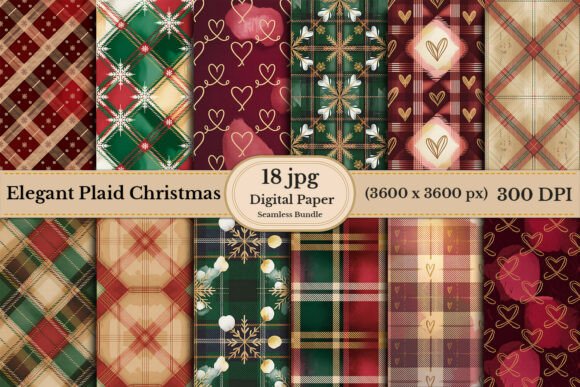
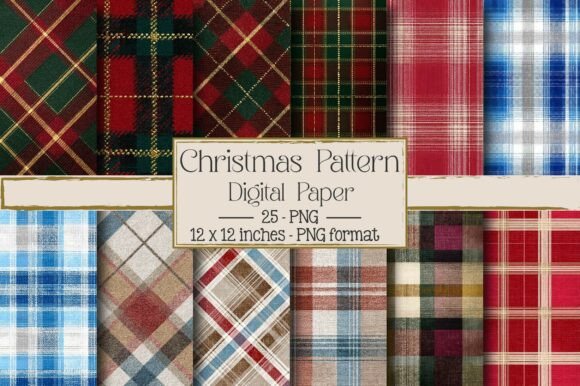
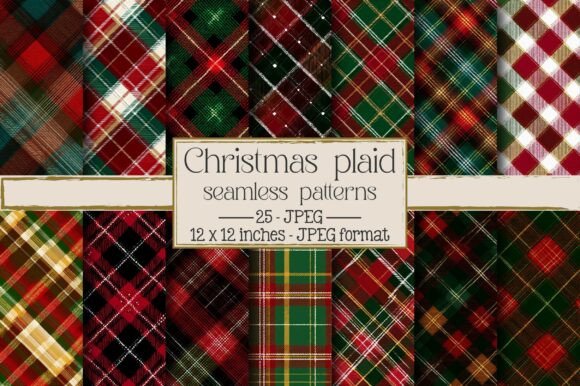
The initial visual impact of these patterns sets the tone for your entire brand identity during the festive season. When I opened the files, the immediate takeaway was their versatility. The plaid designs strike a balance between rustic charm and modern elegance. They are not overly loud or chaotic, which makes them suitable for a wide range of audiences—from those seeking cozy, farmhouse-style decor to buyers looking for clean, minimalist holiday graphics.
This aesthetic appeal is crucial because it attracts a specific buyer persona: the creative entrepreneur or home decorator who values cohesion in their seasonal displays. The patterns feel premium rather than generic, which allows you to position your products at a higher price point. If your shop targets families, crafters, or small business owners preparing branded merchandise, this visual personality aligns perfectly with current market trends that favor warmth and tradition without sacrificing sophistication.
Real-World Product Applications
Testing a design asset involves imagining it in various end-use scenarios. Here is how I envision integrating these seamless patterns into sellable digital and physical goods:
- Sublimation and Print-on-Demand: The seamless nature of the file makes it ideal for wrapping around mugs, tumblers, and tote bags. Because the pattern repeats flawlessly, there are no awkward seams visible on curved surfaces, which is critical for maintaining perceived value in physical merchandise.
- Digital Paper Packs: These can be sold directly as digital downloads for scrapbooking, card making, and digital journaling. Buyers often look for high-resolution PNGs that they can use in Canva templates or layout software.
- SVG Designs for Crafters: While primarily a pattern, sections of the plaid can be isolated or used as background layers in Cricut projects. They work well as backing elements for layered SVG cards or decorative frames.
- Printable Wall Art: Large-format prints benefit from the intricate detail of the plaid. Sellers can create gallery wall sets where the patterns complement each other, offering customers a cohesive way to decorate their homes.
- Stationery and Invitations: For greeting cards, wedding invitations with a winter theme, or holiday party invites, these patterns provide an elegant backdrop that doesn’t overpower text or central illustrations.
Enhancing Product Presentation and Branding
In the crowded landscape of creative marketplaces, visual hierarchy and thumbnail appeal are everything. A well-designed asset like this helps significantly with listing images and mockup previews. When creating product mockups, using a consistent pattern across multiple items—such as matching a mug design with a matching notebook cover—creates a sense of brand consistency and trust.
Furthermore, these patterns elevate the perceived value of your bundles. By grouping these designs with complementary clipart or fonts, you can create comprehensive design bundles that offer more utility to the customer. This strategy encourages larger average order values. Additionally, using these patterns in social media graphics and blog headers ensures that your promotional visuals have a professional, polished look that stands out in feeds and search results.
Strategic Placement and Visual Storytelling
To maximize click-through potential, consider how the pattern interacts with other elements. Use it in large product previews where the texture and color palette can be appreciated. It works beautifully in decorative layouts for packaging design, giving handmade goods a retail-ready appearance. However, remember that the pattern should support the main subject, not compete with it. Proper visual storytelling means letting the product shine while the background adds context and mood.
Where to Exercise Caution
No asset is perfect for every use case. During my evaluation, I identified several areas where this pattern requires careful handling to avoid negative customer experiences:
- Tiny Details and Stickers: If you plan to use this for sticker designs, especially small die-cut stickers, ensure the resolution is sufficient. Fine lines in the plaid may blur or become muddy when printed at very small scales.
- Complex Layouts: Avoid placing heavy text or intricate clipart directly over busy areas of the pattern. This can reduce readability and create visual clutter. Always test contrast levels.
- Dark Backgrounds: Depending on the specific colorway, some plaid variations may lose definition against dark backgrounds. Preview your designs on dark canvases to ensure visibility.
- Cutting Precision: For Cricut or Silhouette users relying on cut lines, remember that this is a raster or vector fill, not a cut path. Ensure you provide clear instructions if selling SVGs, distinguishing between the decorative pattern and any actual cutting guides.
Practical Seller Notes for Launch Success
Before hitting publish, I recommend following a rigorous testing protocol to protect your reputation and ensure commercial viability:
- Mockup Testing: View the design on real-world mockups. Check how it looks on white, black, and neutral backgrounds to verify versatility.
- Resolution Verification: Confirm that all PNG files are high-resolution (300 DPI) for print-ready products. Low-resolution files lead to returns and bad reviews.
- Transparency Checks: Inspect PNG transparency to ensure there are no unwanted white boxes around your designs when placed on colored backgrounds.
- Font Pairing: Experiment with typography. Serif fonts add elegance, sans serif fonts offer modernity, script and handwritten fonts bring a personal touch, and display fonts make bold statements. Test these pairings to see what complements the plaid best.
- Licensing Confirmation: Most importantly, verify the commercial license. Ensure you have the right to use these assets in products you intend to sell. Some licenses restrict certain uses or require attribution.
- File Organization: Organize your files clearly for your customers. Provide separate folders for different formats (PNG, SVG, JPG) and include a readme file with usage guidelines.
Ultimately, evaluating a graphic design asset like Christmas Plaid Seamless Patterns is about more than just aesthetics; it is about strategic fit. By understanding its strengths, limitations, and ideal applications, you can confidently integrate it into your digital product lineup. Whether you are expanding your Etsy product offerings, updating your print-on-demand catalog, or creating new Canva templates, this asset has the potential to enhance your creative output and drive sales. Take the time to test thoroughly, present professionally, and you will find that even simple patterns can become powerful tools in your small business branding toolkit.